Age Verification
You must be 21 years or older to view this site.
Are you 21 or older?
You must be 21 years or older to view this site.
Are you 21 or older?
Sorry, you must be 21 or older to view this site.
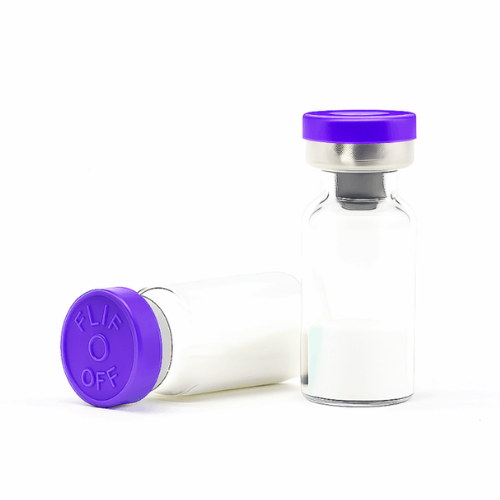
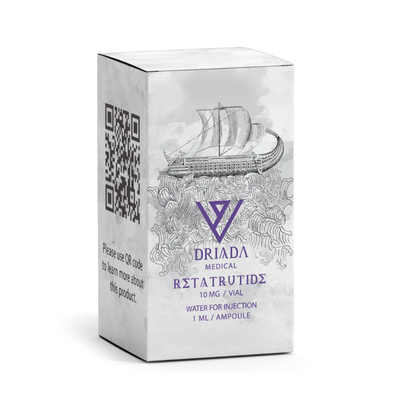
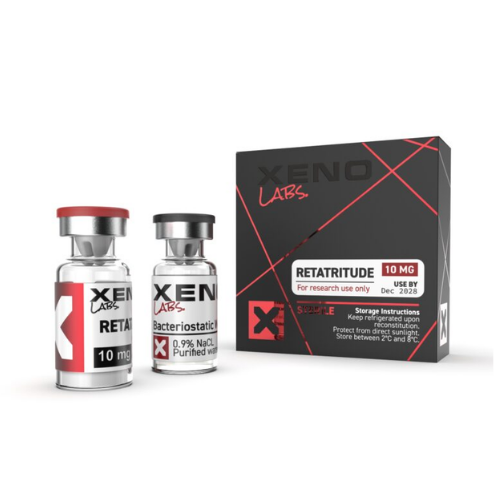
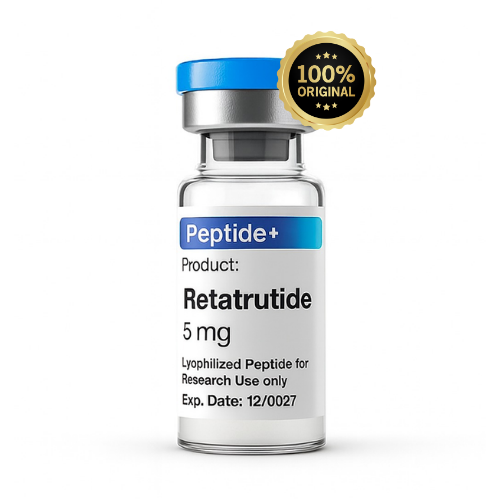
Retatrutide 10mg (available as 1 vial x 10mg) represents the bleeding edge of metabolic science. Often referred to in clinical circles as "Triple G," Retatrutide is a breakthrough peptide that goes beyond traditional treatments by targeting three distinct hormonal pathways. This "triple-agonist" approach is currently being studied for its unprecedented ability to redefine weight management and glycemic control.
Retatrutide is an investigational peptide that mimics three naturally occurring hormones:
GLP-1 (Glucagon-like peptide-1)
GIP (Glucose-dependent insulinotropic polypeptide)
glucagon (Glucagon receptor)
By activating all three, Retatrutide offers a synergistic metabolic effect—controlling insulin secretion, lowering blood glucose, and drastically reducing hunger while simultaneously increasing the body’s metabolic rate.
Retatrutide 10mg is typically evaluated via a once-weekly subcutaneous injection. Within research and clinical trial settings (like the Phase 2 & 3 trials), it is primarily indicated for:
Clinical Obesity: For subjects with a Body Mass Index (BMI) of 30 or higher.
Overweight with Comorbidities: For subjects with a BMI of 27 or higher who present with weight-related issues such as hypertension, Type 2 diabetes, or elevated lipids.
Metabolic Syndrome: Improving overall metabolic health markers.
In the sports and fitness community, Retatrutide 10mg has garnered significant attention for its potential in body composition optimization. Unlike traditional fat burners, researchers are investigating Retatrutide for its ability to:
Accelerate Fat Loss: Targeting deep adipose tissue.
Maintain Lean Mass: Preserving muscle during aggressive caloric deficits.
Improve Energy Efficiency: Optimizing how the body utilizes glucose and fats.
Note: Due to its high efficacy, Retatrutide is often considered a "performance-enhancing" substance in professional sports. Athletes should be aware of specific anti-doping regulations and ethical considerations within their respective organizations.
While Retatrutide is highly effective, it is a potent compound that requires medical oversight. Observed side effects often occur during the early titration phase and may include:
Gastrointestinal Responses: Nausea, vomiting, and diarrhea.
Abdominal Discomfort: General bloating or pain.
Neurological: Mild dizziness or fatigue.
Precautions: Patients with a history of kidney disease, pancreatitis, or chronic gastrointestinal disorders should exercise extreme caution. Always consult an endocrinologist before beginning any peptide research protocol.
1. How does Retatrutide differ from Semaglutide or Tirzepatide?
While Semaglutide targets one receptor (GLP-1) and Tirzepatide targets two (GLP-1 & GIP), Retatrutide targets three (GLP-1, GIP, and Glucagon). This third agonist (glucagon) is hypothesized to increase energy expenditure, potentially leading to even greater weight loss results than its predecessors.
2. What is the typical storage for Retatrutide 10mg?
As a lyophilized peptide, Retatrutide should be stored in a cool, dry place away from direct sunlight. Once reconstituted with bacteriostatic water, it must be refrigerated between 2°C and 8°C (36°F to 46°F) and typically used within 30 days for maximum potency.